Exhale the Day: Gentle Rituals for an Unplugged Evening

Shake off the office buzz with device-free after-work decompression rituals that gently ease the transition into evening. We’ll trade screens for breath, scent, movement, and small, repeatable cues that tell your body it’s safe to soften, reconnect, and truly arrive home. Expect practical sequences, cozy stories, and science-backed micro-habits you can start tonight without apps, timers, or notifications, just your senses and a few minutes of kind, deliberate attention.

Crossing the Threshold with Intention

That first moment after work sets the tone for the entire evening, so make your arrival a cue for calm rather than a rush for distraction. Create a tiny doorway ceremony that needs no devices, only presence, a steady breath, and a gentle willingness to slow down.

The Doorway Pause

Before you step fully inside, stop. Place keys in a bowl, feel your feet, inhale slowly, and exhale longer. Name one thing you’re grateful for, one sensation you notice, and one intention for the evening. This thirty-second ritual teaches your nervous system that the pace has changed.

A Clothing Reset

Change from work attire into soft, forgiving layers that invite comfort and unhurried breathing. As fabric shifts against your skin, imagine shedding emails and expectations. Add a splash of cool water to your face, then rub palms together, warming them, and press them gently over eyes to signal release.

A Five-Minute Fresh-Air Loop

Step outside, even if it is just the hallway or a tiny balcony. Walk slowly, letting shoulders drop with each exhale. Notice three colors, three sounds, and three textures. This brief, device-free loop helps your body mark the boundary between roles and environments with kindness.

Breathing Practices that Quiet the Noise

Breath is the most portable reset button you own, requiring no subscription, only attention. Choose simple patterns that downshift stress quickly and reliably. These practices lengthen the exhale, cueing the parasympathetic system to soften muscles, broaden perspective, and gently welcome the evening’s slower, more humane rhythm.

The Physiological Sigh

Inhale through the nose, pause, sip a little more air, then release through the mouth with a long, relaxed exhale. Repeat two or three times. This pattern can reduce tension within minutes, offering a grounded feeling without screens, data, or complicated techniques, just intentional, compassionate breathing.

Four-Seven-Eight Rhythm

Breathe in for four, hold for seven, exhale for eight. Do four rounds, noticing the subtle melting along your jaw and shoulders. If lightheaded, shorten counts while keeping exhale longest. This rhythmic cradle quiets internal chatter and prepares your mind for restful, device-free evening conversations and comforts.

Counting Only the Exhale

Inhale naturally, then count the exhale slowly to six or seven. Continue for five minutes. Let thoughts pass like birds crossing a window. Each counted exhale is a gentle stitch, mending the frayed edges of focus after a busy day without reaching for a glowing screen.

Scent Signals Safety

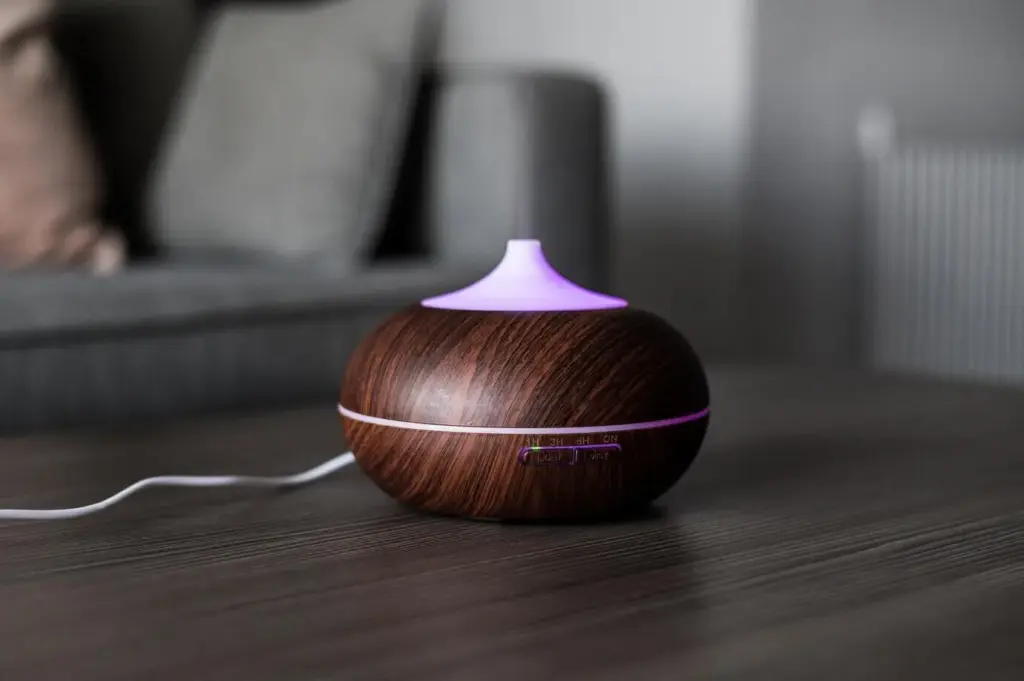
Diffuse a drop of lavender, bergamot, or cedar, or simply rub a little citrus peel between fingers and inhale. Pair the scent with a specific breath or stretch. Over days, smell becomes a reliable cue that the day is done, easing transition without notifications or algorithms.

Warmth and Weight

Wrap your shoulders in a warm towel or light blanket, or soak hands in a basin of comfortably warm water. Temperature shifts are surprisingly persuasive, inviting tight muscles to release. A few minutes of welcoming warmth creates spaciousness where screens would usually rush in and crowd attention.

Floor Flow for Tired Hips

Lie down, hug one knee, then the other, circling slowly. Rock side to side, massaging your back. Add a simple figure-four stretch and a long hamstring reach. Move at the pace of your breath, not ambition. Let yawns come, and accept them as invitations into ease.

Legs Up the Wall

Scoot hips near a wall, extend legs up, and rest arms open. Close eyes and count ten slow breaths, lengthening each exhale. This gentle inversion helps quiet buzzing thoughts and aching feet, transforming end-of-day heaviness into grounded calm without metrics, music, or performance expectations interfering.

Kitchen as Calm Studio

Let the kitchen host a quiet interlude, not another checklist. Turn routine tasks into rituals that soothe through texture, aroma, and rhythm. When you chop, stir, and sip with unhurried presence, you nourish more than hunger; you nurture steadiness that screens can never replicate honestly.

Steam and Sip

Boil water, watch steam rise, breathe along with it. Steep mint, chamomile, or ginger. Wrap hands around the mug and let warmth meet your palms. With each sip, unclench the jaw and shoulders. This humble ceremony invites patience and pleasure into an evening that needs neither speed nor scrolling.

Chop Therapy

Slice vegetables slowly, aligning breath with knife taps. Notice colors brighten as surfaces meet light. Gather scraps into a cheerful pile, tidy the board, and enjoy the subtle satisfaction of order emerging. This mindful rhythm anchors attention, turning preparation into presence and nourishing calm from the cutting board upward.

Mind Unclutters on Paper

Paper holds what the mind tries to juggle. With pen in hand, you can translate loops of thought into clear lines and gentle decisions. These low-pressure practices invite clarity, not perfection, and make room for quiet joys to return as evening deepens without digital interference.

Connection Without Screens

Humans regulate best with other humans, pets, and shared little adventures. Replace reactive scrolling with intentional moments of wonder and warmth. None require perfection; they only ask for presence and curiosity. The evening becomes an inviting landscape where attention can stretch, laugh, and settle without digital tugging.
Filevanelokifevixema
Privacy Overview

This website uses cookies so that we can provide you with the best user experience possible. Cookie information is stored in your browser and performs functions such as recognising you when you return to our website and helping our team to understand which sections of the website you find most interesting and useful.