
Breathe Easy: A Screenless Night Oasis of Light, Scent, and Sound

Tonight we dive into designing a screenless bedroom sanctuary guided by calming light, comforting scent, and gentle sound. You’ll learn practical, science-informed choices, cozy rituals, and small upgrades that reduce stress, protect circadian rhythm, and invite deeper rest, without gadgets or glowing distractions. Expect approachable steps, a few personal stories, and encouraging prompts so you can begin transforming your space this week and wake with steadier energy, softer mornings, and renewed attention to what truly restores you.

Begin with Boundaries and Gentle Transitions
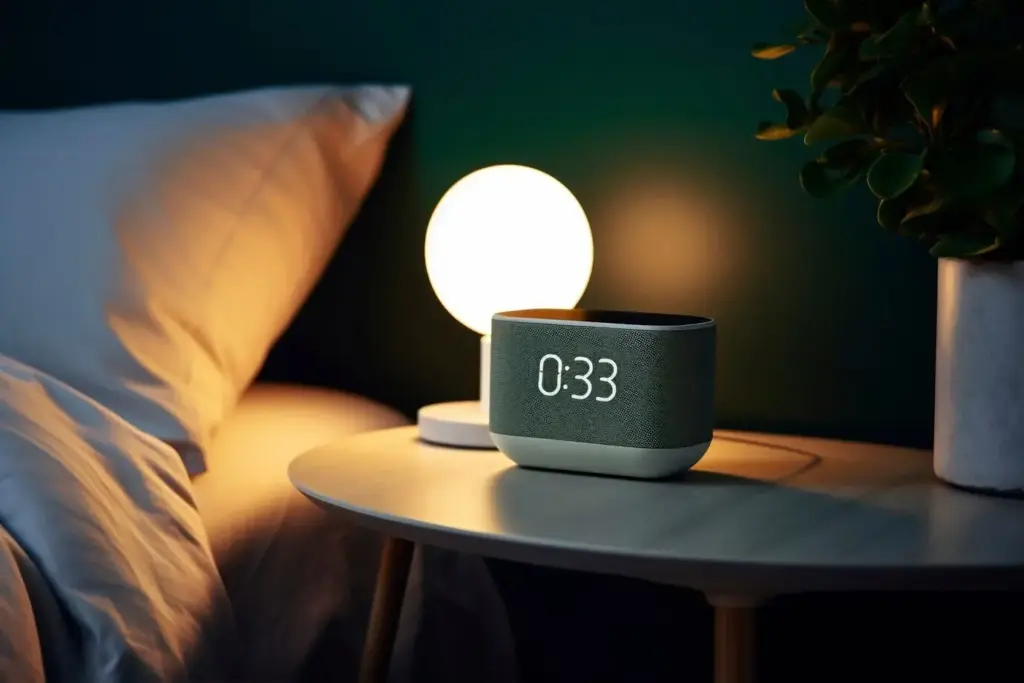
Place chargers outside the bedroom, drop phones into a hallway basket an hour before lights out, and leave a handwritten card by the door reminding future-you why rest matters. This small boundary reduces decision fatigue, prevents last-minute checks, and celebrates intention with a tactile, satisfying action you can repeat nightly.
Swap blue-lit reading for a slim paperback, a favorite magazine, or a journal with a soft pencil that glides without effort. The tactile feedback pulls attention away from alerts, slows mental tempo, and gently cues melatonin release while your eyes rest in warmer, lower light designed for winding down.
Stand beside the bed, take three slow breaths, and name one thing you’re releasing, one thing you’re grateful for, and one kindness you’ll offer tomorrow. This repeatable closure unhooks looping thoughts, lowers heart rate, and helps your nervous system trust that you will return to unfinished tasks refreshed.

Light That Soothes Instead of Startles

Layer small, warm pools of illumination instead of blasting a single overhead source. Aim for color temperatures around 2200–2700K, use dimmers, and bounce light off walls for softness. After swapping a harsh ceiling panel for two amber lamps, I noticed headaches ease within a week and evenings feel cinematic rather than clinical. At the window, combine blackout curtains for sleep with sheer panels for daylight. These choices protect melatonin, reduce glare, and create graceful transitions your body loves.

Choosing Notes with Care

Start with a skin-safe dilution, like two drops essential oil in a tablespoon of carrier, or five drops in a water-based diffuser set on low. Listen to your body, watch for headaches, and keep pets in mind, choosing options known to be safer around animals.

A Ritual You Can Smell

Apply a tiny dab to your wrist, mist the pillowcase lightly, or let a cedar block rest inside the nightstand. Inhale slowly while reading two pages. Linking aroma to a simple routine makes calm predictable, reducing bedtime ambiguity and encouraging your brain to release the day.

Air Quality Matters Too

Open a window for three minutes, use a small HEPA purifier on low, and avoid smoky incense before sleep. Clean, slightly cool air helps your nose read subtle notes without overwhelm, strengthens the perception of freshness, and prevents fragrances from turning heavy or cloying overnight.

Sound That Holds You Gently

Noise can nurture or jolt. Choose steady textures like pink or brown noise, a soft fan, or a small fountain rather than variable tracks that keep your brain scanning for change. If the neighborhood hums, layer fabric, seal door gaps, and let a humble analog sound machine carry the room. You’re aiming for a cocoon: consistent, non-intrusive sound that protects sleep stages, reduces micro-awakenings, and makes even city nights feel oddly tender and safe.

Find Your Friendly Frequency

Experiment with pink noise for a warmer, less hissy shape, or brown noise for a deeper, gentler hush that resembles distant surf. Keep volume low, just below speech audibility. Your goal is masking, not drowning, so the body stops bracing and begins to soften.

Quiet the Room Itself

Thick curtains, a plush rug under the bed, weatherstripping around doors, and felt pads under decor absorb reflections and bites of street clatter. These simple materials improve comfort measurably, lowering reverberation and making every whisper of airflow, page turn, or breath feel more serene.

Songless, Yet Musical

Skip lyrical playlists that provoke memory loops. Instead, build a subtle rhythm using a metronomic drip from a fountain, the cyclical hum of a purifier, or your own paced breathing. Repetition tells the amygdala there is nothing new to monitor, and sleep arrives.

Layout, Materials, and Color That Calm

Give your body a clear path to rest. Keep sightlines simple, hide chargers and cables, and select tactile, breathable materials like linen, cotton, and wool. Choose grounded colors—moss, sand, ink, or clay—that quiet mental chatter. Emphasize rounded edges and hand-friendly textures. A small carafe, a soft rug landing for toes, and a single vase or branch provide focus without clutter. When everything has a home, friction fades and your room begins whispering: you’re safe here.

An Evening-to-Morning Flow You’ll Keep

The 90-Minute Wind-Down

Set an alarm outside the bedroom to begin the ritual. From that chime, avoid screens. Switch on warm lights, tidy five items, brew tea, shower or wash face, moisturize, stretch, journal, read ten pages, and breathe for two minutes before finally sliding beneath the covers.

Travel and Weekends Without Backsliding

Pack a tiny kit: amber nightlight, eye mask, earplugs, and a felt pouch holding cedar or lavender. Place hotel remotes in a drawer and face screens away. Preserve your rhythm by repeating the same two closing steps, even if timing shifts, so your body keeps trusting.

Share, Reflect, and Adjust

Keep a short sleep log noting energy on wake, mood by noon, and ease of falling asleep. Celebrate tiny wins in a notebook or with a friend, and ask questions in the comments. Your reflections refine the space until it reliably feels like home for rest.
Filevanelokifevixema
Privacy Overview

This website uses cookies so that we can provide you with the best user experience possible. Cookie information is stored in your browser and performs functions such as recognising you when you return to our website and helping our team to understand which sections of the website you find most interesting and useful.